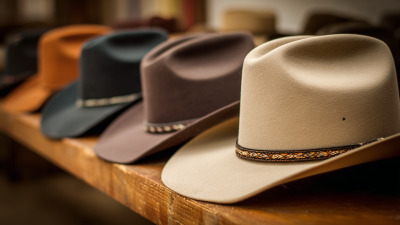
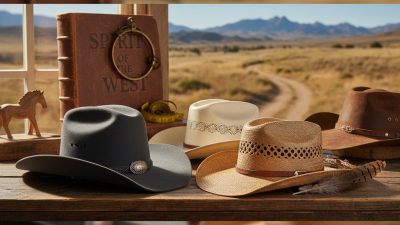
Western Hats are no longer limited to ranch wear or festival styling. They now appear in fashion retail, tourism shops, outdoor stores, and seasonal lifestyle collections. Grand View Research estimates that the global hats and caps market will continue expanding through 2030, supported by fashion diversification, outdoor recreation, and rising online sales. However, market reports use different product definitions. Their figures should guide decisions, not replace supplier verification.
For wholesale buyers, product details matter more than attractive catalog photography. A durable Western hat should show consistent crown shaping, clean stitching, stable brim edges, and accurate sizing. Straw styles may suit warm-season displays, while wool felt or blended-felt options support cooler retail periods. Material composition, colorfastness, packaging strength, and reorder capacity deserve equal attention. Small flaws become expensive when thousands of units arrive.
The 10 Best Western Hats for Wholesale Buyers should therefore balance design appeal, commercial reliability, and landed cost. Circana’s retail research repeatedly shows that consumers remain sensitive to value, even when purchasing fashion accessories. That pressure affects wholesale margins. Buyers should compare minimum order quantities, size ratios, defect allowances, lead times, and shipping terms before approving samples. A low unit price can hide weak quality control.
Some choices will remain subjective. That is unavoidable. A hat may photograph beautifully yet sell slowly in a regional market. Reviewing sales data, testing limited quantities, and collecting store-level feedback creates a more dependable buying process. This guide evaluates practical options with that limitation in mind.
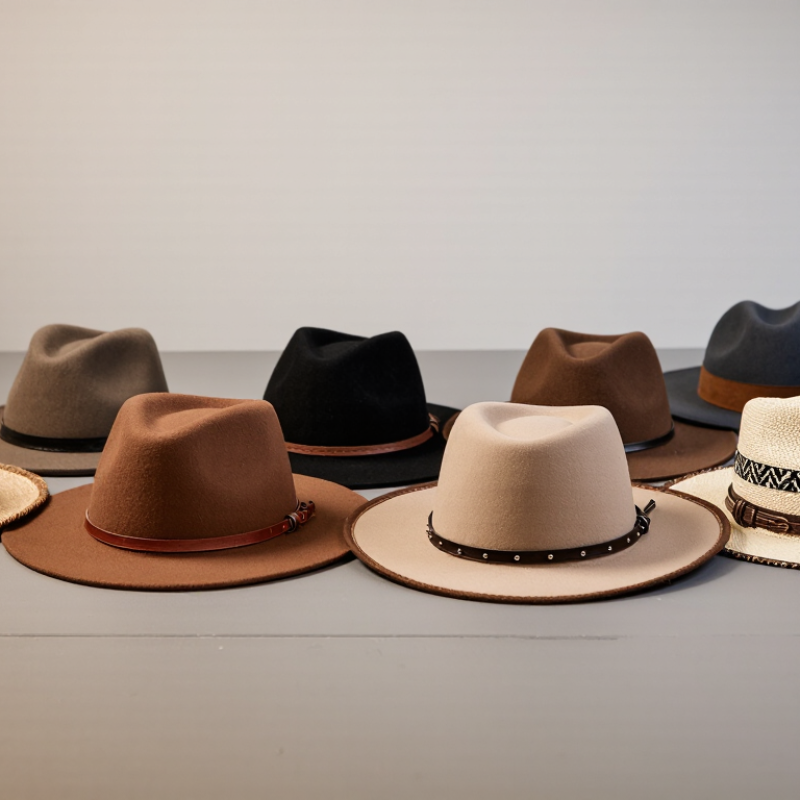
A western hat suits wholesale buyers when it performs consistently across a large order. Appearance matters, but repeatable quality matters more. Check the crown shape, brim balance, stitching, sweatband, and sweat-resistant finish. A well-made hat should keep its form after careful packing and ordinary handling. Felt density and straw flexibility also affect returns.
Sizing must be practical. Ask for a measurement chart in centimeters, not only small, medium, and large. Compare samples with the chart, then test several sizes before ordering cartons. Color consistency deserves attention too. Lighting can hide shade differences in product photos. Request physical samples from different production batches. Small variations may become expensive complaints.
Packaging is part of the product. A crushed brim can erase the value of excellent workmanship. Confirm carton dimensions, protective inserts, stacking limits, and moisture-resistant materials. Wholesale buyers should also review material details, care labels, production capacity, and delivery records. These documents make supplier claims easier to verify.
My own mistake was judging a hat by its first sample alone. Later pieces felt stiffer and had uneven bands. No sample is enough. A realistic inspection plan should define acceptable defects, replacement terms, and pre-shipment checks. That extra step may slow purchasing, but it protects margins and customer trust.
For wholesale value, the classic felt cowboy hat ranks first. It sells across seasons and offers dependable repeat orders. The straw cowboy hat follows closely, especially in warm regions and outdoor markets. A cattleman crease adds a traditional shape with broad customer appeal. The pinch-front hat ranks third for buyers seeking a sharper, more fashion-focused profile. The open-crown hat comes next, giving retailers room to shape the crown locally. A gambler hat offers strong visual impact and works well in resort-oriented stores. The flat-brim Western hat attracts younger shoppers, though demand can change quickly. The crushable travel hat performs well because it reduces storage concerns. The rancher hat suits practical customers and usually supports steady everyday sales. A youth Western hat ranks tenth, with good event potential but more limited sizing demand.
My wholesale evaluations focus on material consistency, stitching, sweatband comfort, and size accuracy. A hat that looks attractive but loses shape during shipping can create costly returns. Neutral colors usually move faster, while unusual finishes may need smaller trial orders. Felt weights should match the selling season and local climate. I have found that packaging matters more than expected. Bent brims often damage buyer confidence. Some assumptions fail, unfortunately.
Tips: Request samples before placing large orders. Test brim recovery after packing. Check size measurements manually. Compare reorder timing, not only unit price. Keep a simple defect record. It reveals patterns that sales reports may miss.
10 Best Western Hats for Wholesale Buyers? Materials, Construction, and Quality Standards to Compare
Wholesale buyers should compare fiber content before appearance. Textile Exchange’s 2024 Materials Market Report places polyester near 57% of global fiber production, while cotton represents about 19%. Wool remains close to 1%, but it offers warmth, shape retention, and a premium hand feel. For western hats, wool felt, straw, cotton canvas, and synthetic blends each serve different climates and price points. Check fiber percentages, not vague terms such as “natural blend.” That wording can hide inconsistent quality.
Construction determines whether a hat survives repeated handling. Inspect crown blocking, brim recovery, stitching density, sweatband attachment, and lining security. A firm brim should return after gentle bending. Loose threads suggest rushed production. For straw styles, examine weave gaps under direct light. For felt styles, check whether the surface pills after light rubbing. ASTM textile test methods, including colorfastness testing under ASTM D for laundering and perspiration conditions, can support supplier comparisons. Test details should appear in the inspection file. They are not decorative paperwork.
Tips: Request pre-production samples. Measure crown height and brim width in millimeters. Ask for fabric composition certificates and batch test results. Compare ten samples from one production run, not one perfect sample. A buyer’s checklist can still miss odor, uneven dye, or poor sweatband comfort. Wear-test one sample for several hours. That small step often exposes the biggest weakness.
10 Best Western Hats for Wholesale Buyers
Wholesale buyers should compare landed cost, not factory price alone. A practical budget includes the hat, trim, packaging, freight, duties, and inspection. Grand View Research estimated the global cowboy hats market at over USD 1 billion in 2023, showing strong commercial demand. Yet demand does not guarantee margin. Ask for a tiered quote at 50, 100, 500, and 1,000 units. Small orders usually carry higher unit costs. Plan carefully.
Minimum order quantities often begin near 50 pieces for standard colors. Custom shapes, woven labels, metal accents, and private packaging may require 100 to 300 pieces. Some suppliers offer mixed sizes within one order, but not always mixed colors. Confirm this in writing. A clear specification sheet should list crown height, brim width, material weight, sweatband type, and carton dimensions. Tiny details affect shipping costs.
Customization can create useful differentiation. Textile Exchange’s Materials Market Report highlights growing attention to material traceability and recycled inputs. Request fiber content, recycled-material documentation, and colorfastness results before production. Order a physical sample, then test the brim after steaming and packing. It may not recover perfectly. That is worth discovering early. Allow four to eight weeks for custom production, plus transport time. The U.S. Fashion Industry Association’s sourcing research also emphasizes supplier diversification, so avoid depending on one factory for every seasonal release. Pricing should be reviewed again before reordering, because labor, freight, and material costs can shift quickly.
| No. | Western Hat Style | Typical Material | Indicative Wholesale Price (USD / Piece) |
Typical MOQ | Customization Options | Common Lead Time | Best Wholesale Use |
|---|---|---|---|---|---|---|---|
| 1 | Classic Wool Felt Cowboy Hat | Wool felt, polyester sweatband, cotton lining | $12–$28 | 50–100 pcs | Hatband color, metal concho, sweatband label, crown and brim shape | 25–45 days | Year-round western apparel, country stores, rodeo events |
| 2 | Premium Fur-Felt Rancher Hat | Wool or rabbit-blend fur felt, leather sweatband | $25–$55 | 30–75 pcs | Custom crown height, premium hatband, edge finishing, embossed label | 35–60 days | Boutiques, premium retailers, autumn and winter collections |
| 3 | Straw Resistol-Style Summer Hat | Natural straw, paper straw, or raffia blend | $7–$18 | 100–300 pcs | Ventilation pattern, hatband, brim width, woven or printed label | 20–40 days | Summer fashion, beach shops, outdoor festivals |
| 4 | Cattleman Crown Felt Hat | Wool felt or recycled polyester felt | $10–$24 | 50–150 pcs | Crown crease, brim finish, braided cord, buckle set, size label | 25–45 days | Workwear, farm supply stores, western lifestyle retailers |
| 5 | Pinch-Front Outback Hat | Waxed cotton, wool blend, or treated canvas | $9–$22 | 75–200 pcs | Water-resistant finish, chin cord, eyelets, woven patch, color matching | 25–50 days | Outdoor retailers, travel shops, hiking and equestrian markets |
| 6 | Wide-Brim Ranch Hat | Straw, paper braid, or cotton canvas | $8–$20 | 100–250 pcs | Brim width, decorative cord, UV treatment, inner sweatband, color palette | 20–40 days | Sun protection, resort retail, farm and outdoor events |
| 7 | Leather Western Hat | Cowhide or split leather with fabric lining | $18–$40 | 30–100 pcs | Leather color, burnished finish, stamped patch, conchos, hatband | 35–60 days | Premium western fashion, motorcycle stores, gift retailers |
| 8 | Crushable Packable Western Hat | Wool blend, polyester felt, or flexible straw | $8–$19 | 100–300 pcs | Packable construction, elastic sweatband, travel pouch, custom hangtag | 25–45 days | Travel accessories, online retail, festival merchandise |
| 9 | Kids' Western Cowboy Hat | Paper straw, polyester felt, or cotton canvas | $4–$11 | 150–500 pcs | Child-safe trim, bright colors, adjustable band, printed decoration | 25–45 days | Children's stores, party supplies, western-themed events |
| 10 | Custom Event Western Hat | Polyester felt, paper straw, or nonwoven fabric | $3–$9 | 300–1,000 pcs | Printed logo area, custom colors, event date, neck cord, bulk packaging | 20–35 days | Corporate events, music festivals, promotional campaigns |
| Pricing note: The wholesale prices and MOQs shown are typical indicative ranges for standard production quantities. Actual quotations may vary according to material grade, order volume, customization complexity, packaging, shipping terms, and destination. Sample approval and size specifications should be confirmed before production. | |||||||
Selecting western hats for wholesale buyers starts with the customer, not the catalog. In my buying experience, desert markets prefer breathable straw, while cooler regions need dense wool felt. Ask where customers wear each hat: ranch work, festivals, travel, or everyday outfits. A wide brim can block strong sunlight, but it may feel awkward in crowded shops. Measure head sizes carefully. A mixed size run usually sells better than one oversized batch. Keep notes from previous orders; memory is unreliable.
Inspect construction before negotiating volume. Check the crown shape, brim recovery, sweatband stitching, lining, and edge binding. Press the brim lightly, then watch whether it returns without deep creases. Touch the material. Rough fibers can discourage repeat purchases. For straw styles, examine ventilation gaps and weave consistency. For felt styles, compare density and finish under clear light. Color matters too. Dusty tan, black, and dark brown often suit broad wardrobes, but local preferences can surprise you. I once overestimated a neutral shade and carried slow-moving stock for months.
Request samples in every proposed size and color. Test packaging after stacking ten hats; crushed brims create avoidable claims. Ask suppliers for fiber details, care instructions, carton dimensions, and production tolerances. Reliable vendors should answer clearly and provide consistent measurements. Still, sample approval is not enough. Fit can change between batches, especially when materials respond to humidity. Leave a small budget for inspection and replacement. My own forecasts have been wrong, so I now begin with a controlled order and review sales before expanding.