How to Choose Genuine Leather Shoes for Ultimate Comfort?
Choosing Genuine Leather Shoes is essential for comfort and style. Many people overlook the importance of quality when selecting footwear. Genuine leather shoes offer durability, breathability, and a unique fit that synthetic materials cannot match.
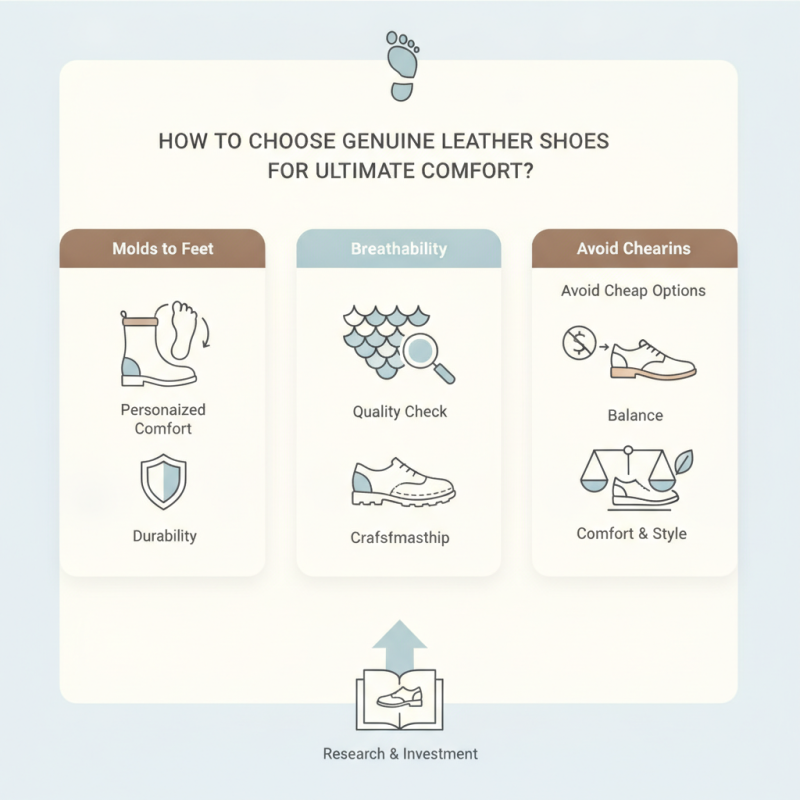
Understanding the characteristics of genuine leather is vital. These shoes mold to your feet over time, providing personalized comfort. They also tend to be more resistant to wear and tear, making them a reliable investment. However, not all leather is created equal. Recognizing the difference between types of leather can be overwhelming.
Pay attention to craftsmanship and details. Look for solid stitching and a well-constructed sole. Be cautious of overly cheap options; they may harm your feet rather than help. A balanced blend of comfort and style in genuine leather shoes is crucial. Investing in a quality pair can transform your daily wear, but it’s important to do thorough research before making a choice.
Understanding the Characteristics of Genuine Leather
When choosing genuine leather shoes, understanding the characteristics of leather is crucial. Genuine leather is derived from animal hides and varies in quality. The texture can indicate its type. Look for a soft feel, which often signifies higher quality. Whether you prefer smooth or distressed finishes, each option offers unique aesthetics.
Tips: Always check the grain of the leather. Full-grain leather is the most durable and breathable. It develops a beautiful patina over time, enhancing its appeal. Pay attention to the smell; genuine leather has a natural, earthy scent, unlike synthetic alternatives. A proper fit is essential. Leather shoes may feel snug initially but will stretch and mold to your feet.
Consider maintenance as well. Using a quality conditioner can prolong the life of your shoes. Watch for scuffs and scratches. They can be treated with polish or a little wax. Remember, your choice impacts not only comfort but also overall foot health. Reflect on your lifestyle needs and how they align with your shoe selection.
Identifying Quality: Signs of Well-Made Leather Shoes
When choosing genuine leather shoes, recognizing quality is essential. High-quality leather shoes often exhibit specific characteristics. For instance, full-grain leather, considered the best, retains the natural grain. This type allows for breathability and develops a unique patina over time. Conversely, cheaper varieties like corrected-grain leather lack durability and comfort.
Durability is another sign of well-made shoes. According to the Leather Research Institute, shoes constructed with stitched soles instead of glued ones tend to last longer. Good craftsmanship can be seen in the detailed stitching. Uniform, tight stitches indicate the shoe can withstand wear. An average consumer may overlook these details but recognizing them promotes better purchasing decisions.
Another aspect is the shoe's flexibility. Quality leather adapts to the shape of your foot, providing superior comfort. A study by the Footwear Research Group highlights that an ergonomic fit significantly reduces foot fatigue. While the nuances of leather quality may seem overwhelming, focusing on these key signs can pave the way for a more satisfying choice. Reflecting on your shoe experience, consider how comfort and quality can affect your daily routine.
How to Choose Genuine Leather Shoes for Ultimate Comfort? - Identifying Quality: Signs of Well-Made Leather Shoes
| Feature | Description | Importance |
| Material Type | Full-grain leather is the highest quality and most durable. | Essential for durability and longevity. |
| Construction Method | Handcrafted or Goodyear welt construction offers better quality. | Key to comfort and shoe lifespan. |
| Fit and Sizing | Must fit well; too tight can cause discomfort. | Crucial for foot health and comfort. |
| Sole Quality | Leather soles are breathable; rubber offers grip. | Affects traction and comfort. |
| Lining Material | Natural materials allow feet to breathe. | Important for moisture management. |
| Stitching Quality | Even and tight stitching indicates quality. | Critical for shoe durability. |
Evaluating Comfort Features in Leather Footwear
When selecting leather shoes, comfort is a paramount factor. Genuine leather offers a natural breathability that enhances comfort. The right shoes should adapt to your feet over time, providing a snug fit without excessive pressure. Look for shoes with ample toe room. Shoes that are too tight can lead to discomfort and pain.
Tips for evaluating comfort features include considering the insole. A cushioned insole provides support and can absorb shock. Arch support is crucial for overall foot health. Consider your daily activities and choose shoes that align with your lifestyle. Additionally, lightweight soles can greatly affect comfort levels. A heel height that enhances posture while remaining balanced is also important.
Materials matter as well. Some leather can feel stiff, especially when new. Always check the lining; soft materials can prevent blisters. Test the flexibility of the shoes. A rigid shoe may not provide the comfort needed for long wear. Frequent breaks to assess comfort can be beneficial. Reflect on how your feet feel after trying different options. Comfort should never be compromised for style.
Proper Sizing and Fit for Ultimate Comfort
When choosing genuine leather shoes, proper sizing and fit are crucial for ultimate comfort. A well-fitted shoe should not pinch or rub against your foot. Instead, it should provide support and allow your feet to breathe. Many people underestimate how a poorly fitting shoe can affect their day. The discomfort from a small size can lead to blisters, while overly large shoes can cause instability.
Tips for finding the right fit:
- Measure both feet while standing, as they may differ in size.
- Try on shoes later in the day when your feet are at their largest.
- Walk around in the shoes to check for any tight spots.
Another key point is to consider the shoe's design. Some styles require a snug fit, while others may benefit from a looser fit. Pay attention to the materials. Leather will stretch over time, so don’t choose a size that’s too tight initially.
Remember, it’s better to reflect and try multiple pairs than to settle for discomfort. Experience shows that taking time to find the right fit pays off in the long run. Your comfort is paramount, so prioritize fit over style.
Caring for Your Leather Shoes to Maintain Comfort
Taking care of your genuine leather shoes is essential for maintaining their comfort and longevity. Regular cleaning helps to remove dirt and dust that can damage the leather. Use a soft cloth and mild soap. Avoid harsh chemicals. Once clean, let them air dry naturally.
Conditioning the leather is another key step. Apply a good quality leather conditioner every few months. This helps keep the leather supple and prevents cracking. Make sure to test any conditioner on a small area first. Not all conditioners are suitable for every type of leather.
Here are some tips to remember:
- Store shoes in a cool, dry place.
- Use shoe trees to maintain shape.
- Rotate your shoes to allow them to breathe.
Small choices can have a big impact. Reflect and adjust your care routine as needed. Your shoes deserve the best for lasting comfort.
