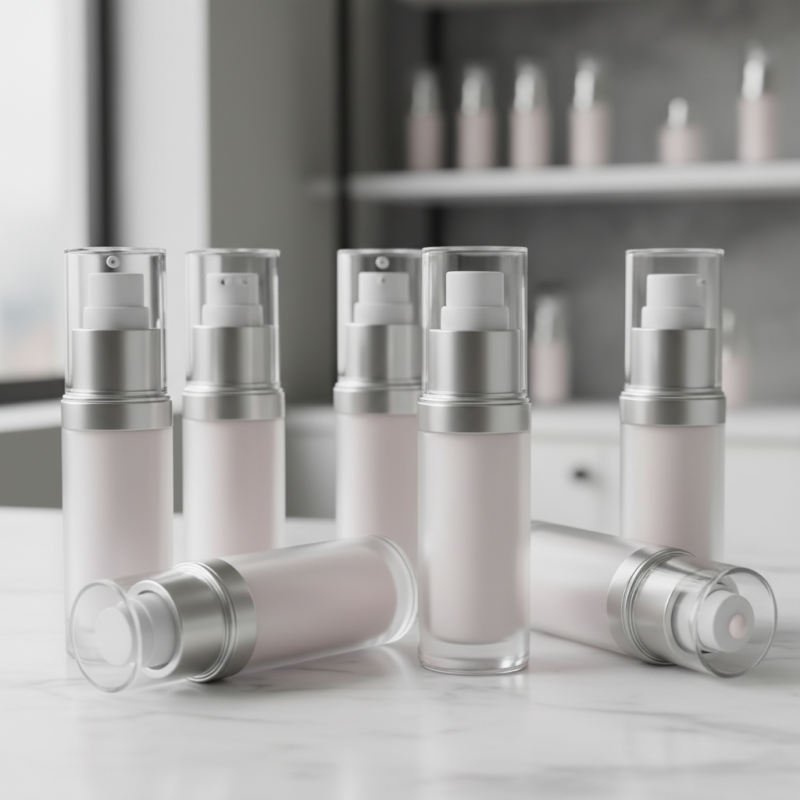
Why Choose an Airless Bottle for Your Product Packaging?
In recent years, the cosmetic and skincare industries have evolved significantly. One innovative packaging solution that has gained popularity is the Airless Bottle. These bottles offer distinct advantages that address common issues faced by brands and consumers alike. They minimize product exposure to air, preserving formulations and extending shelf life.
Many brands struggle with packaging that compromises product integrity. An Airless Bottle can eliminate these concerns. With a unique pumping mechanism, it provides a controlled dosage, reducing waste and ensuring every drop counts. The sleek design also appeals to consumers, enhancing brand perception.
However, not all Airless Bottles are created equal. Some designs may fail to deliver the expected performance. Brands should carefully research and choose reputable manufacturers. Emphasizing quality ensures that the advantages of Airless Bottles are fully realized.
Benefits of Using Airless Bottles in Product Packaging
Airless bottles offer numerous benefits for product packaging. These innovative containers prevent air exposure, which can compromise the quality of sensitive formulations. Product longevity is improved significantly. Without air, products like creams and serums maintain their freshness and potency longer.
Using airless bottles also enhances user experience. They provide precise dispensing, allowing customers to get the exact amount needed. This reduces waste and ensures every drop counts. Many customers appreciate this functionality, leading to higher satisfaction.
**Tip:** When selecting an airless bottle, consider the material. Some materials can impact the product's integrity. Testing for compatibility can save headaches later.
These bottles also improve hygiene. With no external contamination, consumers can enjoy a cleaner application. This aspect is crucial for personal care products. Yet, not all brands prioritize user education about these benefits. Some consumers remain unaware of how much an airless bottle can enhance their product experience.
Benefits of Using Airless Bottles in Product Packaging
Understanding the Mechanism of Airless Bottles
Airless bottles represent a significant advancement in product packaging technology. They function through a unique mechanism that prevents air from entering the container, thus reducing oxidation. According to industry reports, products sealed in airless packaging can maintain their efficacy for up to three times longer than those in traditional bottles. This is particularly important for sensitive formulations, such as skincare and cosmetics, where active ingredients can degrade quickly.
The mechanism of airless bottles relies on a vacuum system. When the pump is pressed, the contents are pushed upward without exposure to air. This design minimizes contamination, which is crucial for preserving product integrity. Reports suggest that over 80% of consumers prefer products that promise longer shelf lives. An airless bottle often provides that assurance, enhancing user experience and brand trust.
While airless bottles offer many advantages, they come with challenges. Cost is a significant factor; airless systems can be more expensive to produce. Some manufacturers face difficulties in designing pumps that work effectively with all formulations. Understanding these limitations is essential for brands looking to invest in sustainable and effective packaging solutions.
Comparative Analysis: Airless Bottles vs. Traditional Packaging
Airless bottles have gained attention as a revolutionary packaging option for various products. These bottles utilize a vacuum system to dispense products without allowing air to enter. This design significantly reduces oxidation, ensuring the contents remain effective and stable for longer periods. Traditional packaging often exposes products to air, leading to degradation over time. This is particularly important for cosmetics and skincare products, where efficacy can diminish quickly.
When comparing airless bottles to traditional packaging, one notable difference is user experience. Airless bottles provide a smoother dispensing process. They minimize product waste, allowing users to get every last drop. However, some users may find it challenging to gauge the remaining quantity of the product. Traditional packaging, like tubes or jars, often provides visible residue, prompting users to replace products sooner.
Moreover, the materials used in airless bottles are often more complex. While they offer protection, they can be costly. This factor may raise concerns about sustainability in packaging choices. Traditional options, while simpler, may not provide the same level of protection but are often easier to recycle. Choosing between airless and traditional packaging requires careful consideration of both functionality and environmental impact.
Applications of Airless Bottles Across Different Industries
Airless bottles are revolutionizing packaging in various industries. They offer significant advantages, particularly in cosmetics, pharmaceuticals, and food. The global airless packaging market is projected to reach approximately $7.4 billion by 2025, according to industry reports. This growth highlights a strong demand for products that maintain their quality and extend shelf life.
In the cosmetics sector, airless bottles protect sensitive formulas from oxidation. This is crucial as many ingredients lose efficacy when exposed to air. A study indicated that up to 30% of product loss occurs due to air exposure. In the pharmaceutical industry, maintaining product integrity is vital. Airless technology minimizes contamination risks and preserves active ingredients. Research suggests that 40% of consumers prefer airless packaging for medical creams due to these protective benefits.
Food packaging is also adapting to airless solutions. These bottles can prolong freshness by preventing the entry of air, which often leads to spoilage. Some experts estimate that airless technology can extend product shelf life by up to 50%. However, the initial cost of airless bottles can be high, which poses a challenge for small businesses. It's essential to weigh these costs against long-term savings on product waste and customer satisfaction.
Environmental Impact of Airless Packaging Solutions
Airless packaging solutions are gaining momentum due to their positive impact on the environment. These innovative designs help reduce product waste and minimize the carbon footprint associated with packaging. According to a study by the Packaging Association, airless bottles can decrease product degradation caused by air exposure, prolonging shelf life by approximately 15%. This reduction in product waste translates into less frequent production cycles, lowering overall resource consumption.
Airless bottles also encourage recycling. The materials used in these packages are often more recyclable than conventional bottles. The Recycling Institute reports that recycled packaging can contribute to a 30% decrease in greenhouse gas emissions. However, it's important to note that not all airless packaging options are created equal. Some may still contain elements that hinder recycling, which calls for careful assessment.
Tip: When selecting packaging, consider the entire life cycle. Look for products that have easily recyclable components. Educating consumers about the benefits of using airless bottles can enhance acceptance and usage. Awareness can transform consumer habits over time. It's a crucial step toward sustainable beauty and cosmetic industries.