7 Tips for Buying Kids Dress Leather Shoes

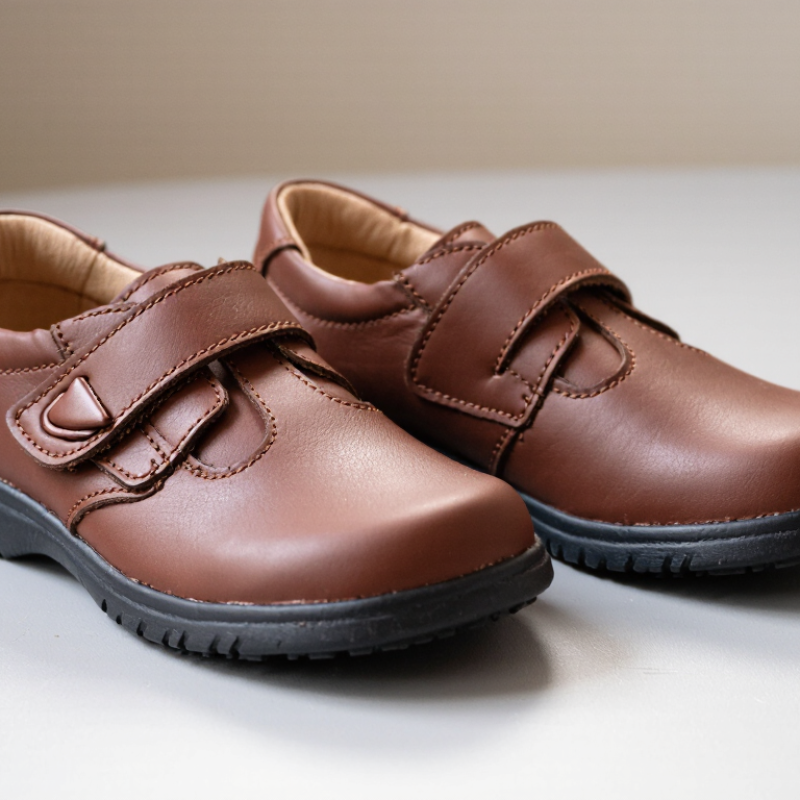
Choosing Kids Dress Leather Shoes is about more than matching a jacket or polishing a formal outfit. The right pair should feel comfortable, stay secure, and leave room for natural movement. A child should be able to walk, sit, and play without pinching toes or slipping at the heel. Small details matter: a rounded toe, a flexible sole, smooth lining, and an adjustable strap can make a long school event easier.

A reliable fit starts with both feet measured while your child is standing. Feet can differ in length, and sizes vary between brands. Check the space in front of the longest toe, then watch your child walk on a firm floor. Red marks, repeated shoe removal, or a heel that lifts with each step deserve attention. Leather may soften with wear, but painful pressure is not a break-in plan. It is a warning sign.

This guide covers seven practical buying tips, from fit and materials to construction, care, and value. It does not include a named expert quotation because no verifiable source was provided; inventing one would undermine reliable advice. That omission is worth acknowledging. A well-made shoe can still be the wrong shoe for one child. When comparing Kids Dress Leather Shoes, trust your child’s comfort and an in-person fit check over a size label or a polished product photo.
7 Tips for Buying Kids Dress Leather Shoes

Determine the Right Size and Allow Room for Growth

Measure both feet with your child standing. Feet can swell slightly by evening. Use the larger measurement, then compare it with the shoe’s insole or a fitting gauge. Leave about a thumb’s width of space in front of the longest toe. Check width, too. The toes should spread without pressing against the sides, while the heel stays secure during a walk. Have your child try the shoes with usual socks and walk across a hard floor. Watch for slipping, rubbing, or a cramped step.

Growth room matters, but oversized shoes can make children trip or slide forward. A little space is useful; extra space is not a substitute for a proper fit. Check the fit every few months and after noticeable growth spurts. Ask where the shoe feels tight, but do not rely on the answer alone; young children may not describe pressure clearly. Look for red marks after a short wear, and check that the toes can wiggle freely. Leather can soften, but it should not need painful breaking-in. I have sometimes been tempted to buy a much larger pair so it would last longer. That can backfire. Comfort now is a better guide than a hoped-for extra season.

Choose Durable Leather and Breathable Linings

Children’s dress shoes need to look neat without feeling stiff or stuffy. Check the leather for a smooth, consistent surface and flexible feel. Very rigid leather can rub at the heel or across the toes, especially during a long school event. Gently bend the shoe near the ball of the foot; it should flex there without collapsing. Small creases are normal. A glossy finish alone does not prove that leather will last, so inspect the stitching and sole attachment too. Loose threads or visible gaps deserve a closer look.

The lining matters just as much. Feel inside the shoe for rough seams, hard edges, or patches that may irritate a child’s skin. A breathable leather or well-ventilated textile lining can help reduce trapped warmth, though no lining will keep every foot dry all day. Check that the insole feels smooth and can be removed if it needs airing. Try shoes on with the socks your child usually wears, then have them walk on a firm floor. Ask where the shoe feels tight. Children may not describe pressure clearly, and I’ve found that a quick fit check can miss discomfort that appears after several minutes. If the heel slips or toes press against the front, consider another size or shape.

Check Shoe Construction, Soles, and Fastenings

A polished finish can hide weak construction, so inspect the details closely. Turn each shoe over and look for gaps where the sole meets the upper. Look closely. Even stitching and firmly attached panels are useful signs, though neat stitching alone cannot guarantee durability. Press gently around the heel and toe; they should feel supportive without being painfully stiff. Check the lining for rough seams that could rub a child’s toes or ankles. A loose thread is easy to miss.

The sole matters on polished floors and outdoor paths. Choose a sole with visible texture and a little flexibility near the ball of the foot, rather than one that bends in the middle. Not always. A very soft sole may feel comfortable in hand but offer little support during a busy school day. For fastenings, laces allow adjustment, while buckles or hook-and-loop straps can be easier for younger children to manage. Let your child open and close them several times. Check that straps hold securely and do not press against the skin. Fit the shoes with the socks they will usually wear, and check both feet while the child is standing. Leave a little room at the toes, but avoid so much space that the heel slips. Children grow quickly, though buying much too large can make walking awkward.

7 Tips for Buying Kids’ Dress Leather Shoes

A practical checklist covering construction, soles, fit, and fastenings. Scores show suggested shopping priority, not laboratory measurements.

Check that seams and joins look secure, the sole bends comfortably near the ball of the foot, and fastenings hold the shoe firmly without pinching. Try shoes on with the socks your child will wear.

Assess Comfort, Fit, and Support in Store

An in-store fitting can reveal problems that a size label cannot. Bring the socks your child will usually wear with dress shoes. Have your child stand while you check both shoes; feet can differ slightly in length. Leave about a thumb’s width between the longest toe and the shoe’s end. The toes should move freely, without sliding forward. Not tight. Press gently around the upper to notice pinching, but do not expect leather to fix a poor fit after breaking in.

Ask your child to walk across the store and turn around. Watch for a heel that lifts repeatedly, toes that curl, or steps that look stiff. Then check the sole: it should bend near the ball of the foot, not fold in half. A supportive shoe should feel stable without forcing the foot into a rigid position. It is easy to focus on a neat appearance and overlook a small rub at the heel. Ask where the shoe feels uncomfortable, and take that answer seriously, even if the shoe looks right. Children may not describe pressure clearly, so look for hesitation or repeated shoe-adjusting.

Compare Quality, Price, and Care Requirements

7 Tips for Buying Kids Dress Leather Shoes

Compare the whole cost, not just the sticker. A well-stitched upper, flexible sole, smooth lining, and replaceable laces can matter more than a low price. Check the seams near the toes and heel; loose threads may signal early wear. Then compare care needs. Smooth leather usually needs wiping and occasional conditioner, while pale finishes show scuffs quickly. Ask whether the shoe can be polished with ordinary, easy-to-find products. Small detail, big difference.

Fit changes the value calculation. The American Podiatric Medical Association’s children’s foot guidance recommends checking fit every four to six months for children ages three to six, and about every six months for ages six to ten. A costly pair may be outgrown before it wears out. Leave a thumb’s width at the toe, and check both feet while the child stands. The fit should feel secure, not tight. I’d still recheck after a growth spurt; schedules are only guides.

Care affects how long shoes stay presentable. Wipe dirt with a soft, damp cloth, let wet shoes air-dry away from heaters, and use conditioner sparingly after testing a hidden spot. The U.S. Environmental Protection Agency’s 2018 materials report recorded 17 million tons of textile waste in municipal solid waste; that broad category includes more than footwear, but it is a useful reminder to favor repairable items. Compare the shoe’s price with its likely wear, cleaning effort, and fit window—not an imagined lifetime.

7 Tips for Buying Kids Dress Leather Shoes - Compare Quality, Price, and Care Requirements

Tip What to Compare Quality Signs Price Considerations Care Requirements
1 Check the leather type and product description. Descriptions should clearly identify the upper material. Leather can vary in finish, flexibility, and durability; inspect the surface for even coloring and secure seams. Compare shoes made from similar materials and construction, rather than judging value by price alone. Use a care product suitable for the stated leather type. Test it on a small, inconspicuous area first.
2 Get the fit right, including width and toe room. There should be room for the toes to move without the heel slipping excessively. Check fit while the child is standing and wearing the socks they will use with the shoes. Confirm the seller’s exchange or return terms in case the size or width is unsuitable. Allow shoes to dry naturally if damp; avoid using direct heat, which can dry or damage leather.
3 Inspect the sole, heel, and overall flexibility. Look for a securely attached sole, a stable heel, and enough flexibility for comfortable walking. A lightly textured outsole can provide better grip than a smooth one. Consider whether the sole can be repaired or replaced, if the seller provides that information. Wipe dirt from the soles and uppers after wear so it does not build up around seams.
4 Compare the lining and interior finish. Check that the lining feels smooth and has no rough edges, loose threads, or exposed areas that could rub against the foot. Compare interior materials and finishing details among shoes in the same price range. Let shoes air out between wears. Removable insoles, if included, can be taken out to dry separately.
5 Look closely at stitching and construction. Stitches should be even and secure, with no obvious gaps or loose ends. Check that paired shoes have consistent shape and finish. Well-finished details can support longer use, but they do not guarantee a particular lifespan. Clean gently with a soft cloth or brush to avoid pulling at seams or scratching the finish.
6 Compare total value, not just the price tag. Review the materials, construction, comfort, warranty information, and return policy together. Estimate cost per wear based on how often the shoes are likely to be used. Children may outgrow shoes before they wear out. Include the cost and time needed for suitable cleaning or conditioning products when comparing options.
7 Check the care instructions before buying. Choose shoes with care guidance that matches the leather finish and your household’s ability to maintain them. Compare care needs as part of the total ownership cost; some finishes may require more specific products or attention. Follow the manufacturer’s instructions. Clean promptly, condition only when appropriate, and store in a cool, dry place away from direct sunlight.