Top 10 Womens Swimwear Trends for Global Buyers
Womens Swimwear is changing quickly, shaped by travel habits, active lifestyles, social media, and regional preferences. Global buyers now look beyond attractive prints and seasonal colors. They assess fabric recovery, lining quality, size consistency, production capacity, and delivery reliability. A swimsuit may look impressive on a studio model, yet fail after repeated exposure to chlorine, saltwater, or strong sunlight. Practical testing matters.
This guide explores ten Womens Swimwear trends influencing international purchasing decisions. It considers minimalist one-pieces, sculpted silhouettes, sporty separates, recycled fabrics, adjustable details, and expressive prints. Each trend reflects different customer expectations. Resort retailers may prefer elegant cutouts, while fitness-focused stores often need secure support and durable stitching. Modest designs also deserve careful attention in markets with specific cultural preferences. There is no universal bestseller.
Experienced buyers usually compare samples before confirming large orders. They check seam strength, colorfastness, stretch recovery, and accurate measurement charts. They also review factory communication, material documentation, packaging, and applicable product standards. A lower price can become expensive when returns increase or delivery dates slip. Small details matter.
Some forecasts will age badly. Consumer tastes can shift within weeks. A trend can attract attention online but move slowly in physical stores. Weather, tourism cycles, and local purchasing power also influence demand. The strongest strategy combines trend awareness with customer research, responsible sourcing, and realistic inventory planning. These insights can help global buyers make clearer decisions, though no article can replace hands-on product evaluation.
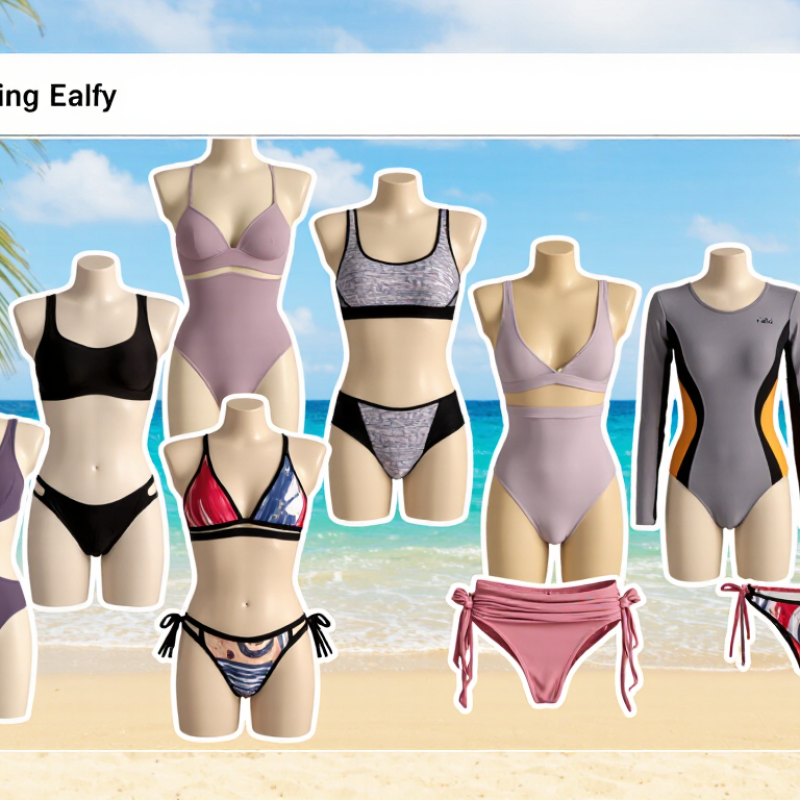
Defining the Top 10 Women’s Swimwear Trends for Global Buyers
Defining the Top 10 Women’s Swimwear Trends for Global Buyers requires more than tracking runway colors. Grand View Research estimates the global swimwear market reached about USD 20.8 billion in 2023. It also projects steady growth through 2030. That growth favors practical products with clear customer value.
The ten strongest directions are high-waisted bottoms, mix-and-match separates, modest coverage, sporty silhouettes, textured fabrics, UV-protective materials, recycled fibers, adaptive details, digital fit tools, and expressive colors.
High-waisted shapes offer comfort and flexible styling. Mix-and-match sizing can reduce fit frustration. Modest cuts serve religious, cultural, and sun-conscious shoppers. Sporty designs support swimming, travel, and active beach use. Textures add visual interest without complex decoration.
Material claims need careful verification. Textile Exchange reports that recycled polyester remains important in global fiber production, but recycled content does not automatically mean a product is fully sustainable. Buyers should request test records, fiber composition, colorfastness results, and supplier traceability. Fabric with UPF testing may create stronger value, especially in sunny markets. Digital fitting can reduce returns, although body measurements still vary widely across regions. It is not perfect.
Color demand also changes quickly. Bright coral, aquatic blue, and earthy neutrals may perform differently by market. Global buyers should test small batches before committing to large volumes. Forecasts guide decisions, but customer feedback remains essential.
Exploring Key Styles Shaping Women’s Swimwear Markets
Women’s swimwear markets are shifting toward comfort, adaptable coverage, and confident personal style. Global buyers now seek pieces that support movement, not only beach photography. High-waisted bottoms, adjustable straps, and supportive one-pieces remain strong choices. They suit different body shapes and reduce fit-related returns. Cutout designs add visual interest, yet excessive exposure may limit demand in conservative markets. Fit remains critical.
Minimalist one-pieces are gaining attention among buyers who value versatility. A clean black style can move from poolside use to resort travel with limited styling changes. Meanwhile, sporty bikinis with secure panels appeal to active customers.
Quick-drying fabric, chlorine resistance, and reliable stitching influence repeat orders. These details matter more than temporary decoration. Practical buyer evaluations often reveal uneven sizing between suppliers, even when measurements appear identical.
Color direction is becoming more regional. Soft blue, sand, and muted green fit understated resort collections, while coral and vivid yellow attract younger shoppers. However, color forecasts can mislead buyers when local preferences are ignored. A bright shade may perform well online but remain slow in physical stores. Wholesale teams should compare sales data, customer feedback, and fabric samples before committing to large quantities. Recycled fibers and traceable production may strengthen product credibility, but vague sustainability claims can damage trust. Better documentation is still needed across parts of the market.
Evaluating Sustainability, Sizing, and Future Market Opportunities
Top 10 Womens Swimwear Trends for Global Buyers
Sustainability now shapes purchasing decisions, but evidence matters more than green language. Textile Exchange reports that global fiber production reached 124 million tonnes in 2023. It may reach 160 million tonnes by 2030. Recycled polyester, recycled nylon, bio-based fibers, and lower-impact dyes are gaining attention. Yet recycled content alone does not solve shedding, durability, or end-of-life problems. Buyers should request fiber certificates, testing records, and wash-performance data. Small details matter. A swimsuit that loses shape after ten washes creates avoidable waste.
Sizing is becoming a commercial advantage. Body-inclusive cuts, adjustable straps, longer torsos, fuller bust support, and mix-and-match separates reduce fit frustration. Digital fitting tools can support online conversion, but they are not perfect. Measurements still vary between countries and factories. Buyers need regional size charts, garment measurements, stretch testing, and real-user fitting trials. The uncomfortable truth is that many “inclusive” collections still offer limited cup and length options. That gap deserves closer review.
Future opportunities remain strong. Grand View Research estimates the global swimwear market could grow at about 5% annually through 2030. Modest swimwear, UV-protective fabrics, adaptive designs, repair services, and resale-friendly construction may expand market access. Lightweight packaging and nearshore production can also reduce logistical impact. However, demand forecasts can overstate reality. Weather shifts, inflation, and changing travel patterns remain difficult variables. Global buyers should test smaller batches, track return reasons, and measure repeat purchases before scaling. Sources: Textile Exchange Materials Market Report 2024; Grand View Research, Swimwear Market Size Report.
Top 10 Women's Swimwear Trends for Global Buyers
Sustainability, sizing, and future market opportunity scores based on publicly reported apparel-consumer and market-development signals. Scores are normalized from 0 to 100 and indicate relative commercial potential rather than company or brand sales.
Higher scores suggest stronger buyer relevance, easier alignment with responsible sourcing expectations, and greater potential for future international growth.
