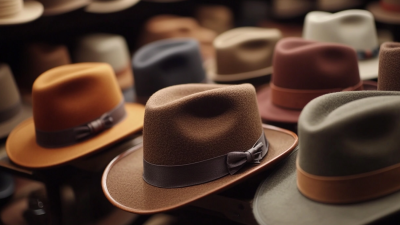
China has become a practical sourcing destination for global buyers seeking reliable Mens Hats. Its factories produce baseball caps, bucket hats, flat caps, beanies, and sun hats in varied materials. Cotton twill, wool blends, recycled polyester, and straw each serve different markets. The right choice depends on climate, customer habits, branding goals, and target price.
A professional buying process should examine more than appearance. Check stitching around the brim, sweatband comfort, color consistency, and embroidery accuracy. Request material details, size charts, product samples, and clear packaging specifications. Factory experience also matters, especially for seasonal orders or customized designs. A capable supplier should explain production capacity, inspection procedures, lead times, and responsible material claims.
Small details matter.
Global buyers should also review labeling, safety expectations, import documentation, and local consumer requirements before placing large orders. These checks reduce delays and protect brand reputation. However, no supplier or product category is perfect. A low price may hide weaker structure, uneven sizing, or limited after-sales support. That assumption needs testing.
This guide compares leading China Mens Hats options through practical purchasing criteria. It considers design versatility, material performance, customization, quality control, and supplier reliability. The recommendations are intended to support informed decisions, not replace sample testing or professional compliance advice. Buyers should compare several factories and record measurable results. A hat that looks excellent in a catalog may feel different after eight hours of wear. Real use reveals more.
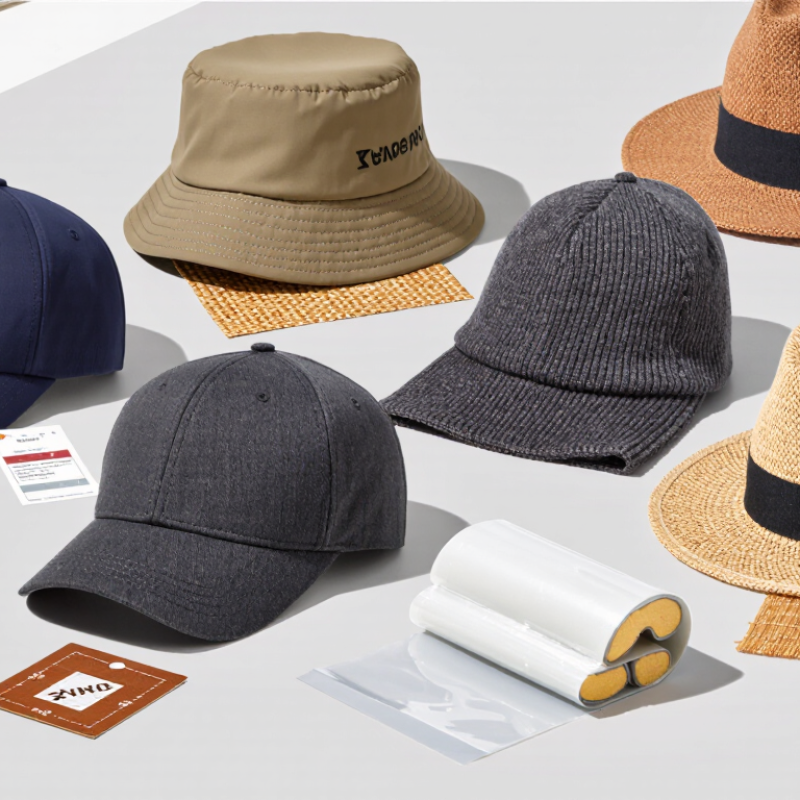
A top China men’s hat begins with dependable materials, not attractive product photos. Global buyers often check cotton, wool, polyester, or blended fabric specifications before discussing price. The fabric should feel consistent across the crown, brim, and sweatband. Uneven texture can reveal rushed production. Simple details matter.
In supplier evaluations, I look closely at stitching density, panel alignment, brim recovery, and size tolerance. A well-made cap should keep its shape after repeated handling. The inner sweatband should sit flat against the head. Loose threads are small, but they create larger quality concerns. Buyers should request pre-production samples and compare them with bulk goods. Factory photos are not enough.
Reliable suppliers also provide clear testing records and packing information. Useful checks include colorfastness, dimensional stability, odor control, and carton protection during humid transport. Label placement and fiber content should match the buyer’s market requirements. These details support smoother customs and retail processes. However, no inspection system is perfect. A sample may look excellent while bulk production varies slightly. That risk deserves honest discussion, not polished promises. Experienced buyers often use measurable tolerances, random inspections, and written corrective actions. A top hat is therefore more than a fashionable shape. It reflects controlled production, transparent communication, and practical performance.
Among Chinese-made men’s hats, baseball caps remain the easiest style for global buyers to sell. Their curved brims suit casual wardrobes, sports events, and outdoor work. Cotton twill feels familiar, while recycled polyester dries faster in humid climates. Buyers often request adjustable metal closures, embroidered panels, and neutral colors. Small details matter.
Bucket hats have grown because they pack flat and suit travel, festivals, and summer retail. Cotton canvas gives structure, but lightweight nylon handles sudden rain better. Trucker hats also attract attention, especially in warm markets needing airflow. Their mesh backs reduce heat, although cheap mesh can feel rough after long wear. I learned this during sample checks. A soft sweatband can change customer feedback.
For colder regions, knitted beanies and fleece-lined caps sell steadily from autumn through winter. Sun hats and straw-blend styles serve resort shops and outdoor consumers. When comparing suppliers, I inspect seam density, brim recovery, colorfastness, and fiber labels. I also request samples from different production batches. One approved sample is not enough. Sizing can shift slightly between batches, so buyers should confirm measurement tolerances in writing. My own preference is not universal. A plain cap may outperform a fashionable design in one market, then underperform elsewhere. Local climate, age groups, and price targets should guide the final selection.
What Are the Top China Mens Hats for Global Buyers?
Material selection should match the hat’s climate, purpose, and expected retail price. Cotton twill feels practical for everyday caps and accepts detailed embroidery. Linen offers airflow, but it wrinkles and may lose shape faster. Wool blends provide warmth and structure for cooler markets. Polyester dries quickly and keeps color well, although some buyers dislike its less natural feel.
Ask suppliers for fabric composition, weight, shrinkage, and colorfastness data. A useful sample test is simple. Wear it outdoors. Check sweat absorption, odor retention, and seam comfort after several hours. I once approved a lightweight cap that looked excellent in photographs. It became uncomfortable during humid use. That mistake changed my inspection routine.
Craftsmanship appears in small, measurable details. Examine even stitching around the crown and brim. The brim should return to shape after gentle bending. Interior taping should cover rough seams without excessive glue. A firm sweatband improves comfort, but it must not feel tight. Adjustable closures need smooth movement and secure attachment. Check whether embroidered edges remain clean after repeated rubbing. Some factories offer attractive prototypes but inconsistent bulk production. Request pre-production samples, inspection records, and agreed tolerance limits. Buyers should also review washing instructions and packaging durability. Perfect finishing is not always necessary, but careless construction quickly damages customer trust.
Material and craftsmanship evaluation guide based on typical textile moisture regain values
How to read the chart: Higher moisture regain generally indicates better natural moisture absorption and can support comfort in warm conditions. Wool and linen typically provide stronger moisture management than synthetic fibers, while polyester offers low moisture absorption and faster drying.
Craftsmanship checkpoints: Global buyers should evaluate even stitching, reinforced sweatbands, clean inner seams, stable crown shaping, accurate sizing, colorfastness, ventilation design, brim recovery, and consistent inspection standards across production batches.
Buyer note: Material performance should be matched with the intended market, season, climate, hat structure, washing requirements, and target price.
China’s men’s hat suppliers cover baseball caps, bucket hats, beanies, and structured outdoor styles. Grand View Research valued the global headwear market at approximately USD 20 billion in 2022, with continued growth expected through 2030. This demand makes supplier comparison more important than choosing the lowest quote. A low price can look attractive. It may hide thinner fabric, weaker stitching, or costly sampling delays.
Global buyers should request the same specification sheet from every factory. Include fabric composition, crown height, brim length, closure type, logo method, carton size, and target quantity. Compare landed cost, not only the unit price. Freight, packaging, tooling, inspection, and import charges can change the final figure. In sourcing practice, a supplier offering USD 2.10 per cap may become more expensive than a USD 2.35 offer with stronger packaging and stable production. Small details matter.
Quality checks should include colorfastness, seam strength, measurement tolerance, and sweatband comfort. Ask for recent test records, factory audit evidence, and a pre-shipment inspection option. The International Trade Centre’s trade data tools can help buyers review China’s export patterns by product category and destination. However, trade data cannot prove factory quality. Samples can mislead, too, because production batches sometimes vary. A practical approach is testing samples, approving a sealed reference unit, and inspecting random cartons before shipment. Leave room for doubt. That protects the budget.
| Hat Category | Typical Materials | Indicative FOB Price per Piece (USD) |
Common MOQ | Typical Production Lead Time | Key Quality Checks | Customization Options | Best Use for Global Buyers |
|---|---|---|---|---|---|---|---|
| Baseball Cap | Cotton twill, polyester, recycled polyester, mesh | $1.20–$4.50 | 100–500 pieces | 25–45 days after sample approval | Stitch density, panel alignment, sweatband attachment, brim shape, colorfastness | Embroidery, woven labels, printed graphics, custom closures, packaging | Promotional programs, sportswear, casual retail |
| Snapback Cap | Cotton, acrylic, wool-blend fabric, polyester | $1.50–$5.50 | 100–500 pieces | 30–50 days after sample approval | Snap closure strength, crown structure, embroidery precision, brim symmetry | Flat or curved brim, patches, embroidery, custom under-brim print | Streetwear, youth fashion, event merchandise |
| Trucker Cap | Foam or cotton front, polyester mesh, plastic closure | $1.10–$4.00 | 100–500 pieces | 25–45 days after sample approval | Mesh tension, ventilation, front-panel stability, closure durability | Foam printing, embroidery, patches, mesh color, custom closure | Outdoor promotions, summer campaigns, casual retail |
| Bucket Hat | Cotton, nylon, polyester, water-repellent fabric | $1.50–$5.80 | 100–500 pieces | 30–50 days after sample approval | Crown-to-brim balance, seam quality, dimensional stability, water-repellent performance | Reversible construction, chin cords, embroidery, printed fabric, packable design | Travel, festivals, outdoor and lifestyle collections |
| Sun Visor | Polyester, cotton, straw-look synthetic fibers | $1.00–$3.80 | 100–500 pieces | 25–40 days after sample approval | Visor stiffness, sweatband comfort, hook-and-loop or buckle performance | Custom visor shape, logo decoration, color matching, adjustable fastening | Golf, tennis, hospitality and outdoor events |
| Wool-Blend Fedora | Wool felt, polyester felt, cotton lining, leather-look trim | $4.00–$14.00 | 100–300 pieces | 35–60 days after sample approval | Felt density, crown recovery, brim consistency, lining attachment, shape retention | Brim width, hatband, lining, color, metal or fabric trims | Autumn/winter fashion and premium accessories |
| Straw-Style Hat | Paper straw, natural straw, raffia, synthetic straw | $2.00–$9.00 | 100–300 pieces | 30–55 days after sample approval | Weave uniformity, odor, edge finishing, moisture resistance, shape stability | Hatbands, decorative trims, brim size, folding or packable construction | Resortwear, summer retail and tourism merchandise |
| Beanie | Acrylic, cotton, wool, recycled polyester | $1.20–$5.50 | 100–500 pieces | 25–45 days after sample approval | Knitting density, stretch recovery, seam comfort, pilling resistance, color consistency | Jacquard patterns, embroidery, woven labels, cuff design, recycled yarn options | Cold-weather apparel, workwear and promotional use |
Global buyers often choose cotton caps, mesh trucker hats, wool-blend fedoras, and sun-protection bucket hats. The best choice depends on climate, retail positioning, and shipping costs. Import planning should begin with a clear product specification. Confirm fabric composition, color references, carton dimensions, packing quantity, and estimated production time. Ask for a pre-production sample. Photos can hide stitching problems and uneven brims. Also confirm the correct customs classification with a qualified import agent. Requirements vary by destination.
Sizing needs careful attention. Head measurements differ across regions, and “one size fits most” is not universal. Request measurements in centimeters, including crown height, brim width, and adjustment range. A sample should be tested on several people. It may fit one model well and feel tight on another. Customization can include embroidery, woven labels, private packaging, lining, sweatbands, and special colors. Every extra detail may increase the minimum order quantity, sampling time, or unit cost. Embroidery density matters too. Dense artwork can make lightweight fabric feel stiff.
Tips: Approve a physical sample before bulk production. Compare the sample with the approved size chart. Keep artwork in editable vector format. Request inspection photos before shipment. Do not rely only on the supplier’s standard size. Small measurement errors become expensive after delivery. A written specification sheet prevents many avoidable disputes.