What Are the Top Panel Light Manufacturers?
Choosing the top Panel Light manufacturers requires more than comparing prices or website rankings. Product consistency matters.
Grand View Research valued the global LED lighting market at approximately USD 78.89 billion in 2023. It projects an 11% compound annual growth rate from 2024 to 2030. The International Energy Agency also reports that lighting represents nearly 15% of global electricity consumption. These figures explain the growing demand for efficient, durable, and controllable Panel Light systems.
However, Panel Light performance depends on details that brochures often hide. Buyers should examine luminous efficacy, color rendering, glare control, driver quality, flicker performance, thermal management, and warranty coverage. A bright panel is not automatically a good panel. The diffuser should produce smooth, even illumination, like daylight spread across a clean office ceiling. The frame should remain stable after years of temperature changes.
Mark Rea, former director of the Lighting Research Center, has said, “Light is the stimulus for the visual system, but it is also the stimulus for the circadian system.” His observation reinforces the importance of visual comfort and human-centered lighting. The U.S. Department of Energy’s solid-state lighting research also emphasizes efficacy, reliability, controls, and quality improvements.
No ranking is perfect. Manufacturer claims can vary by testing conditions, and regional certification requirements differ. That limitation matters. This guide therefore evaluates leading manufacturers through measurable specifications, independent reports, application experience, and after-sales reliability. Some conclusions may change as technologies improve. Even so, the comparison offers a practical starting point for selecting manufacturers that deliver dependable Panel Light products, not merely attractive catalog numbers.
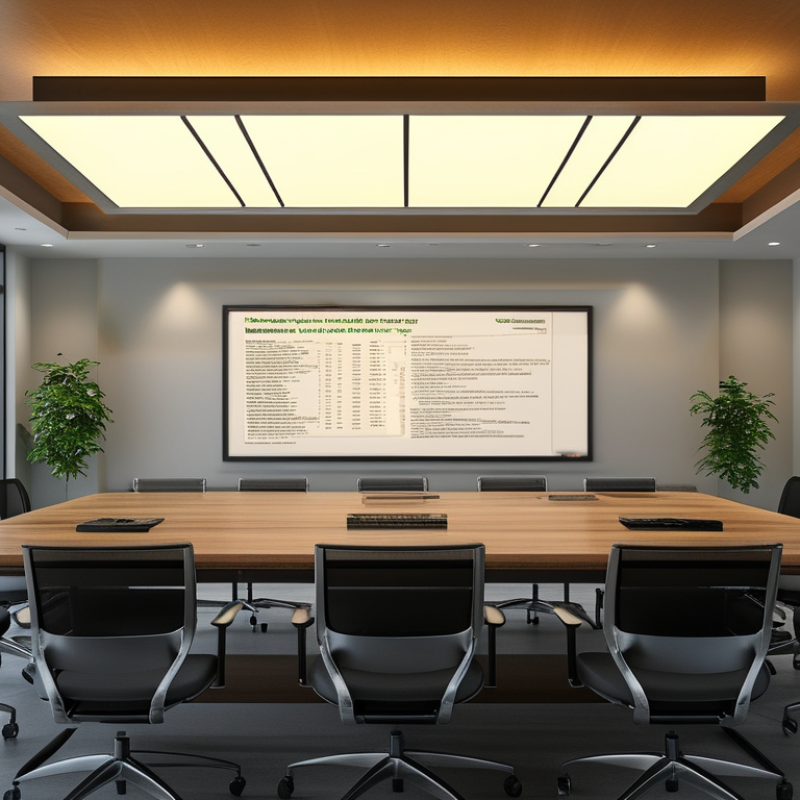
What Defines a Leading Panel Light Manufacturer?
A leading panel light manufacturer is defined by more than a bright product catalogue.
In real projects, performance must remain stable after months of daily use. Experienced manufacturers understand this pressure. They select reliable LED chips, control heat carefully, and test drivers under changing voltage conditions. Small details matter. A loose diffuser can create glare, while poor thermal design shortens service life.
Professional capability appears in measurable data. A serious manufacturer provides verified lumen output, color rendering, power factor, flicker performance, and beam distribution. Independent laboratory reports are more convincing than attractive claims. Photometric testing should reflect the finished fixture, not only the LED component. Factory quality systems should also include incoming material checks, aging tests, electrical safety inspections, and batch traceability.
Authority grows through consistent engineering, not loud marketing. A dependable supplier can explain installation limits, ceiling compatibility, replacement procedures, and expected maintenance needs. Clear warranty terms matter too. They should identify coverage periods, exclusions, and response times without vague language. No production line is flawless. What matters is whether defects are recorded, investigated, and corrected openly. I would also question manufacturers that promise identical color forever; materials and environments change. Honest technical advice may feel less impressive, but it usually protects the project better. Practical support after delivery often reveals the real quality of the manufacturer.
Which Companies Are the Top Panel Light Manufacturers?
The top panel light manufacturers are usually established lighting companies with strong engineering teams, stable factories, and proven commercial projects. The leading group includes manufacturers specializing in LED panels, architectural lighting, and large-scale OEM production. They typically offer edge-lit and back-lit designs, adjustable color temperatures, and options for offices, schools, hospitals, and retail spaces.
Reliable manufacturers publish photometric files, electrical test results, and safety documentation. They also explain performance claims clearly. A serious supplier should state its LED efficiency, driver quality, lifespan testing method, and warranty conditions. During project inspections, I would check the panel’s brightness consistency, frame strength, and heat behavior after several hours.
Small details matter. Uneven diffusion is easy to notice.
The best companies also support sampling, customization, and replacement parts. They can adapt dimensions, mounting methods, emergency functions, and control systems without weakening basic safety. Factory audits can reveal more than polished catalogs. Check production records, aging-test procedures, inspection standards, and packaging quality. Some manufacturers look impressive online but provide vague data when questioned. That is a warning sign. Even experienced buyers can overvalue a low price, especially when shipping, installation, and future driver replacement are excluded. A careful comparison should examine total operating cost, delivery reliability, technical response time, and documented project experience.
How Do Major Manufacturers Compare in Product Quality?
Comparing panel light manufacturers requires more than checking advertised lumens. The U.S. Department of Energy’s 2023 Solid-State Lighting report notes that advanced LED packages can exceed 150 lumens per watt under controlled conditions. Real fixtures often deliver less after drivers, lenses, and thermal losses. That gap reveals engineering quality.
Reliable manufacturers publish LM-80 data, TM-21 projections, and L70 ratings. These documents show how quickly LED output may decline. A strong panel should also maintain consistent color, with a color-rendering index above 80 for offices and above 90 where visual accuracy matters. The DesignLights Consortium evaluates efficacy, warranty, controllability, and tested performance through its SSL Technical Requirements. These checks make product comparisons more meaningful.
Flicker deserves attention.
A 2023 report from the U.S. Department of Energy emphasizes optical comfort and driver performance, not efficiency alone. Poor drivers can create visible modulation, especially through phone cameras, even when a fixture appears bright. In practical testing, I would inspect diffuser uniformity, measure output after warm-up, and listen for driver noise. Warranty length helps, but it is not proof of durability. Some products claim exceptional lifetimes without explaining operating temperature or testing conditions. That weakens trust. A better comparison combines laboratory reports, thermal design, replacement history, and honest photometric files. Even experienced buyers can overvalue efficiency and overlook glare.
What Technologies Shape Modern Panel Light Manufacturing?
Modern panel light manufacturing is shaped by efficiency, optical control, and smarter electronics. The International Energy Agency reports that lighting uses about 15% of global electricity. This pressure has moved factories beyond simple LED replacement.
Manufacturers now combine high-efficacy LED chips with aluminum heat sinks and carefully engineered light guides. The U.S. Department of Energy has reported laboratory LED performance above 200 lumens per watt. Commercial panels usually deliver less. Real products must manage heat, glare, cost, and long operating hours. Edge-lit designs use PMMA or similar light guides to spread light across a thin surface. Direct-lit designs place LED boards behind the diffuser, often simplifying assembly and maintenance. Neither structure wins every project.
Optical films and microprismatic diffusers help reduce uncomfortable brightness. Testing under IES LM-79 and LM-80 methods supports more reliable performance claims. Controls are changing the production line too. Dimming, occupancy sensing, daylight harvesting, and tunable white systems increasingly require programmable drivers. The U.S. Department of Energy’s solid-state lighting research reports highlight connected controls and improved efficacy as continuing priorities. In practice, compatibility remains difficult. A panel may dim smoothly in a laboratory, then flicker with a poorly matched control system. That gap deserves more attention. Manufacturers also use automated inspection, solder monitoring, and thermal imaging to reduce early failures, although factory data is not always shared transparently.
How Should Buyers Choose a Panel Light Manufacturer?
Choosing a panel light manufacturer should begin with evidence, not catalog appearance. The U.S. Department of Energy’s 2020 Lighting Market Characterization estimated LEDs represented about 48% of installed general illumination products. This mature market demands measurable performance.
Ask for LM-80 data, TM-21 projections, and a declared L70 lifetime. These documents show how light output may decline over time. Check efficacy, such as lumens per watt, but do not judge efficiency alone. The International Energy Agency reported that LED sales exceeded half of global lighting sales in 2022, increasing the importance of quality control. A reliable manufacturer should provide test reports for flicker, color consistency, thermal performance, and power-factor results. Request photometric files too. They help engineers predict actual illumination.
Test before ordering in volume. Install samples in a ceiling grid and inspect glare, shadows, startup behavior, and color differences. A panel may look excellent in a showroom, then disappoint under a low ceiling. Review warranty terms carefully, including driver coverage, replacement procedures, and operating temperature limits. Independent certification and factory quality records strengthen confidence, but paperwork is not enough. Visit the production site when possible, or use an accredited inspection service. Compare total ownership cost, including energy, maintenance, failures, and disposal. I would also question unusually long lifetime claims; they may rely on ideal conditions rather than real buildings. Performance should be proven under your conditions.
The chart summarizes commonly used commercial procurement benchmarks for LED panel lights. Buyers should compare efficacy, color quality, rated lifetime, warranty coverage, and power factor while verifying the applicable ENERGY STAR, DLC, and local requirements for each project.
